KUKUSKA
They were now faced with the question: What do we take with us, and what stays behind? The question was independent of an object’s practical use; it was rather about the role it would still play in their future life—naturally, the objects to which they felt a special attachment.
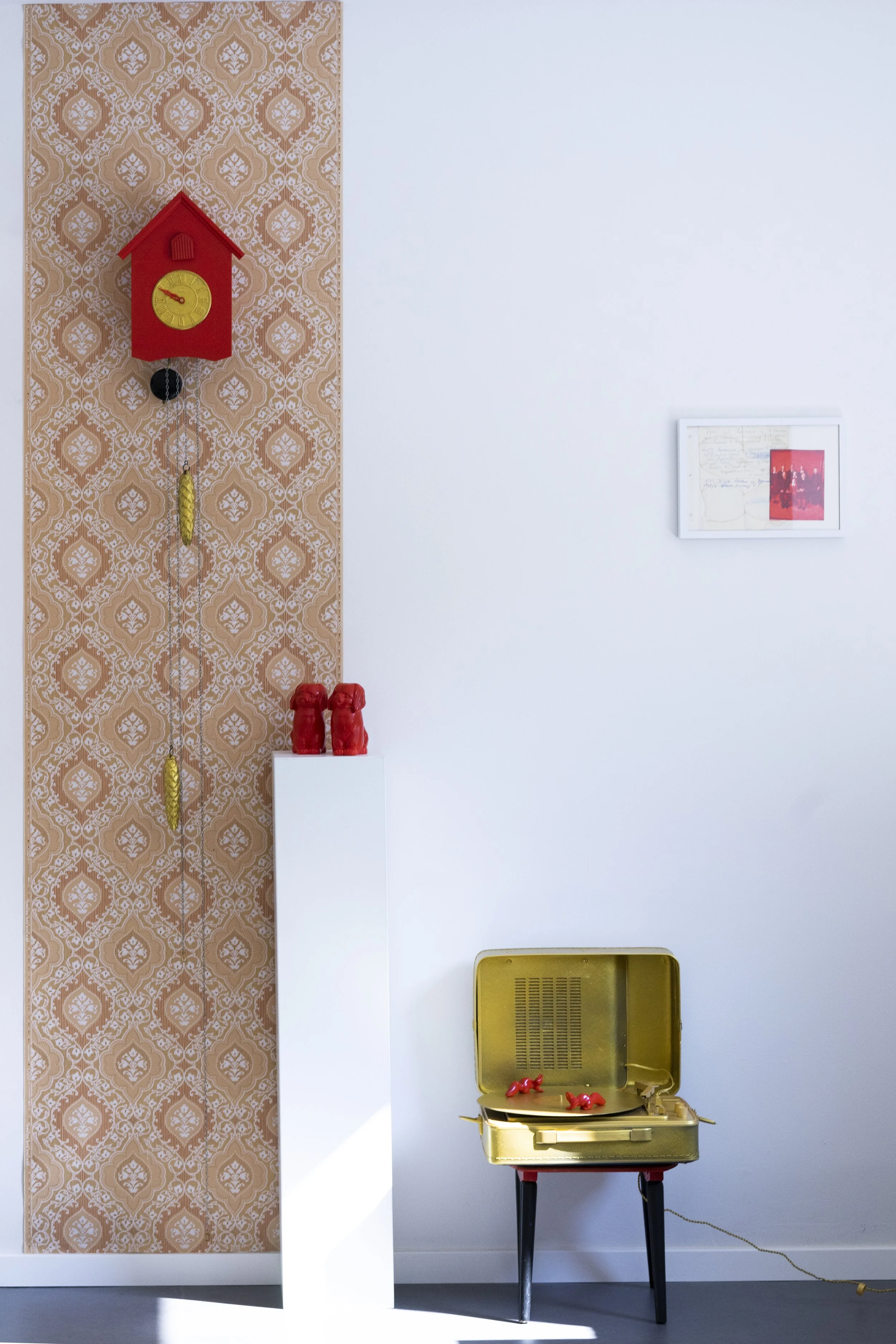
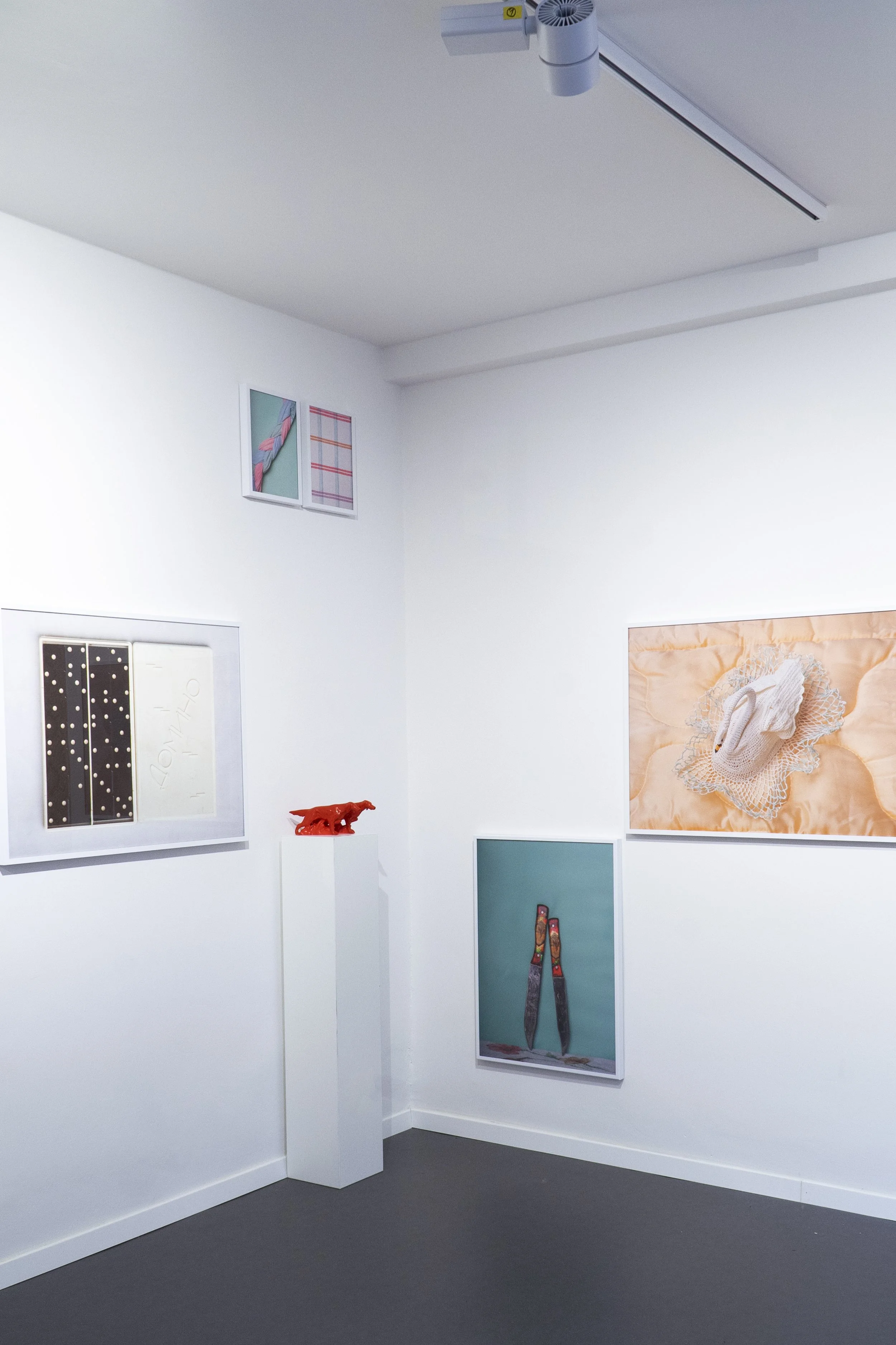
Kukushka is a photo and spatial installation presenting the objects my family took with them when they emigrated from Russia to Germany. The work reflects the tension between old and new homeland and shows how looking back can help open the way forward.
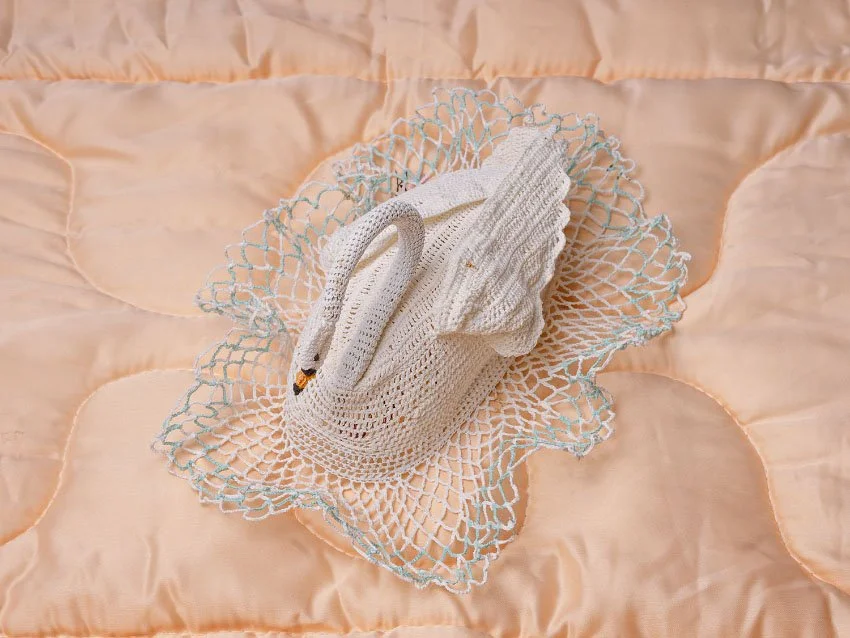
After the collapse of the Soviet Union, many ethnic German migrants had to leave behind their social circles, familiar surroundings, and most of their belongings. The few items they could take on their journey gained enormous significance: they softened the sense of loss, created familiarity, and helped them settle into a new life. Often, these were things of little material value but great emotional meaning.
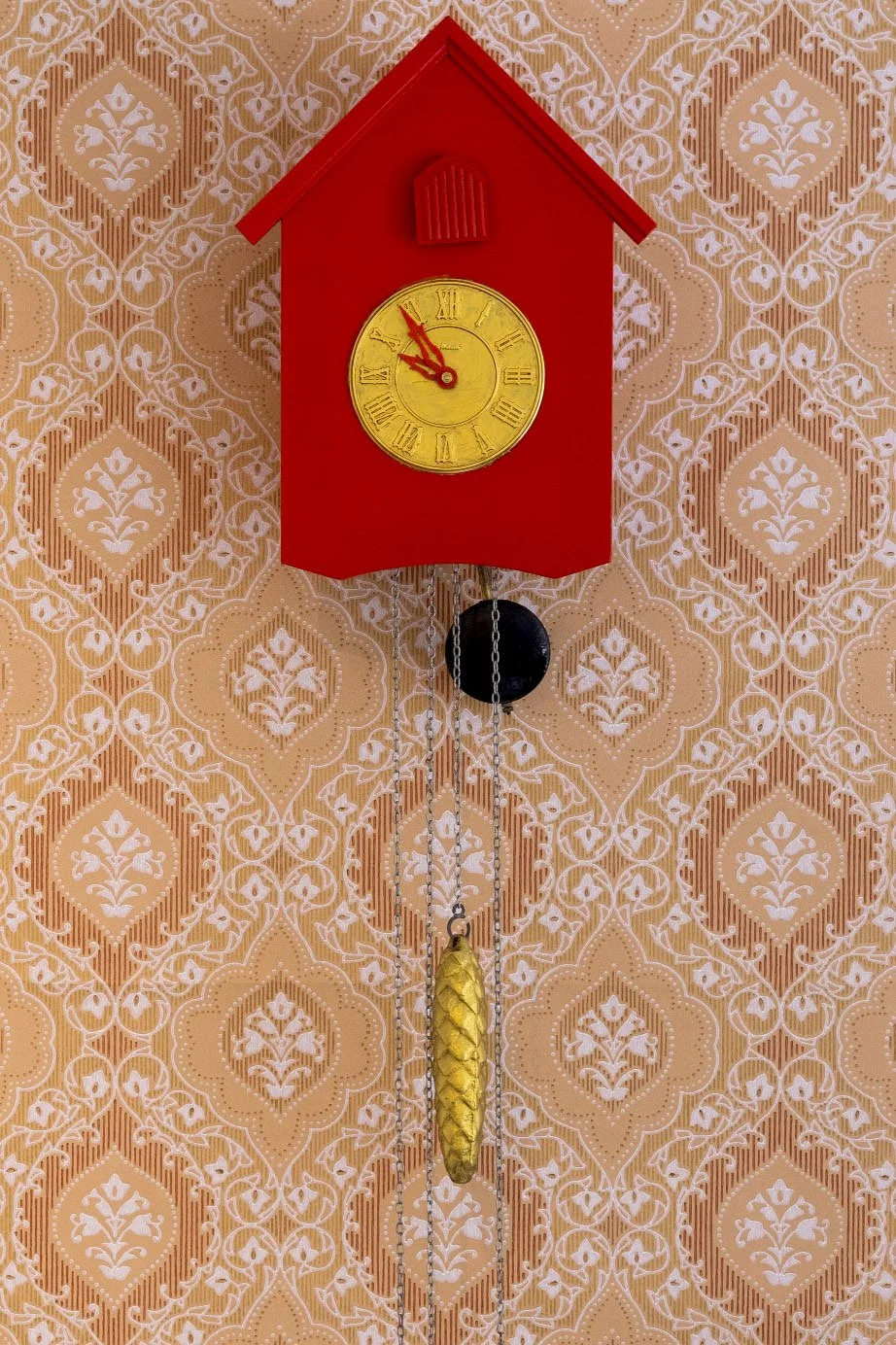
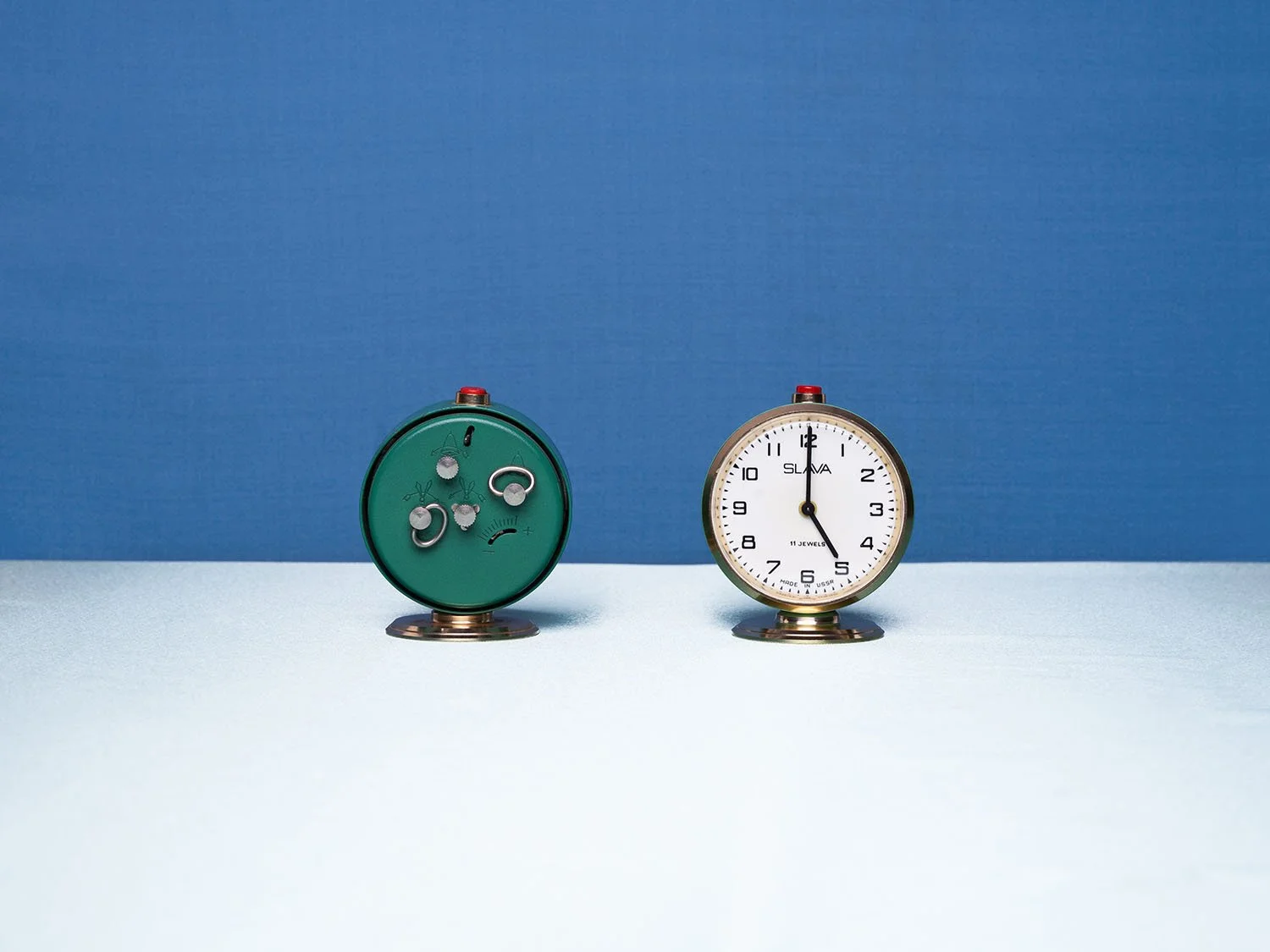
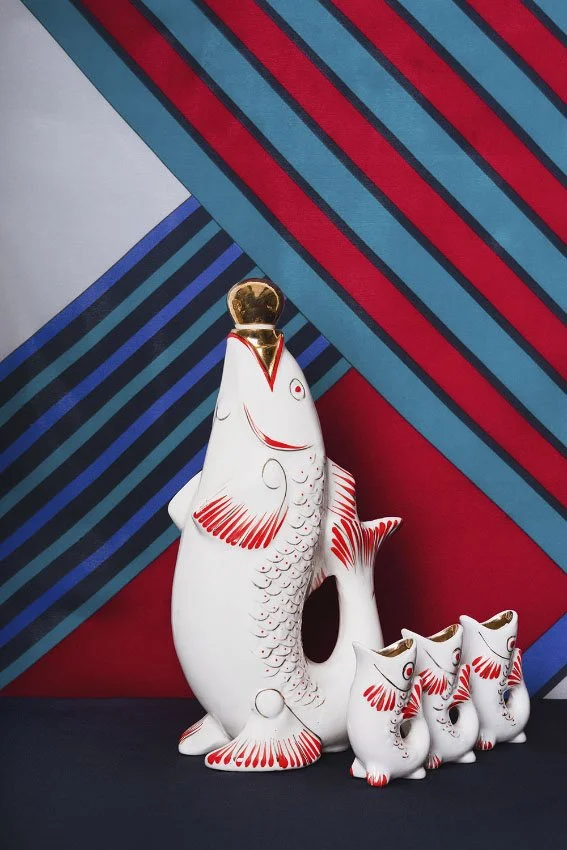
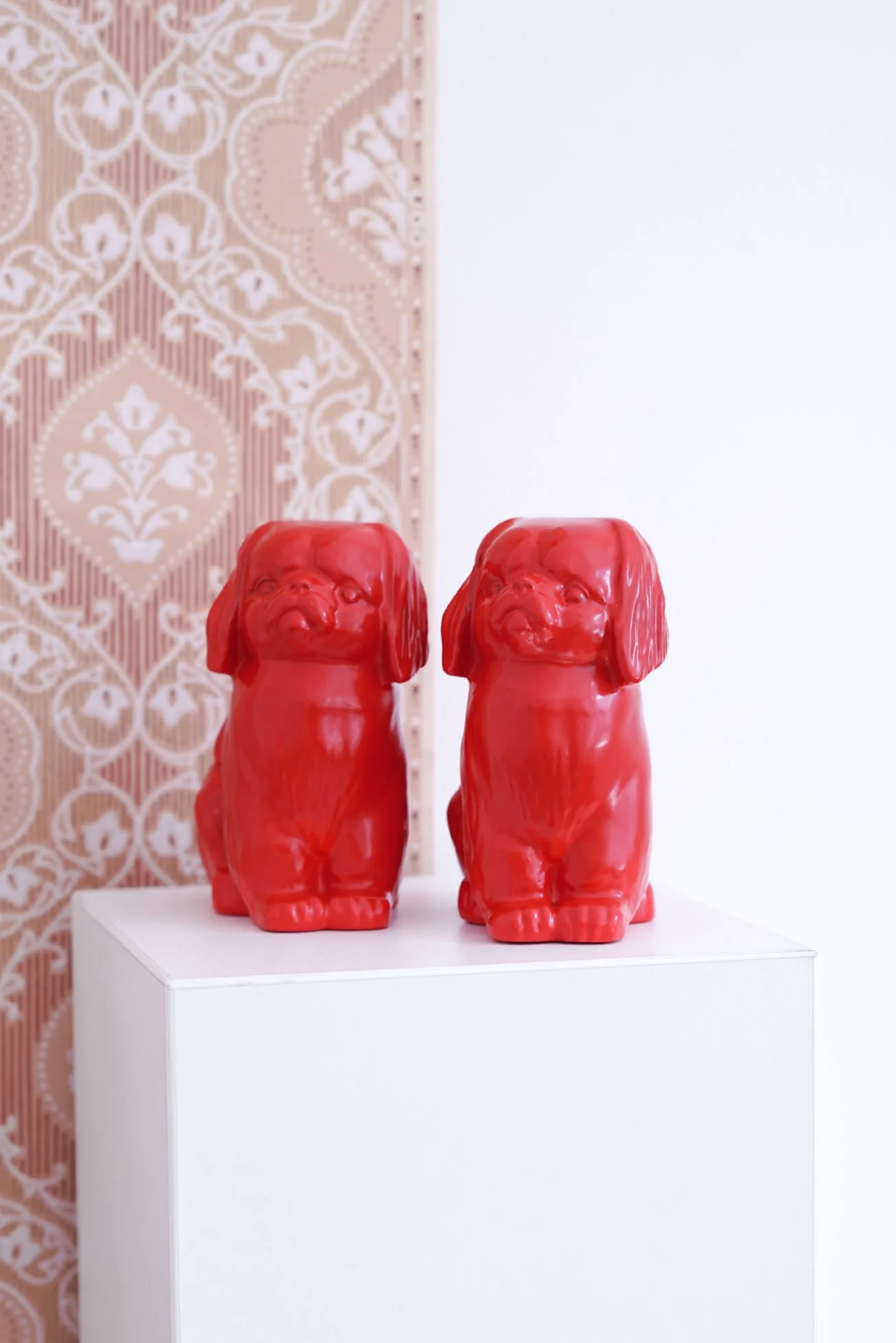
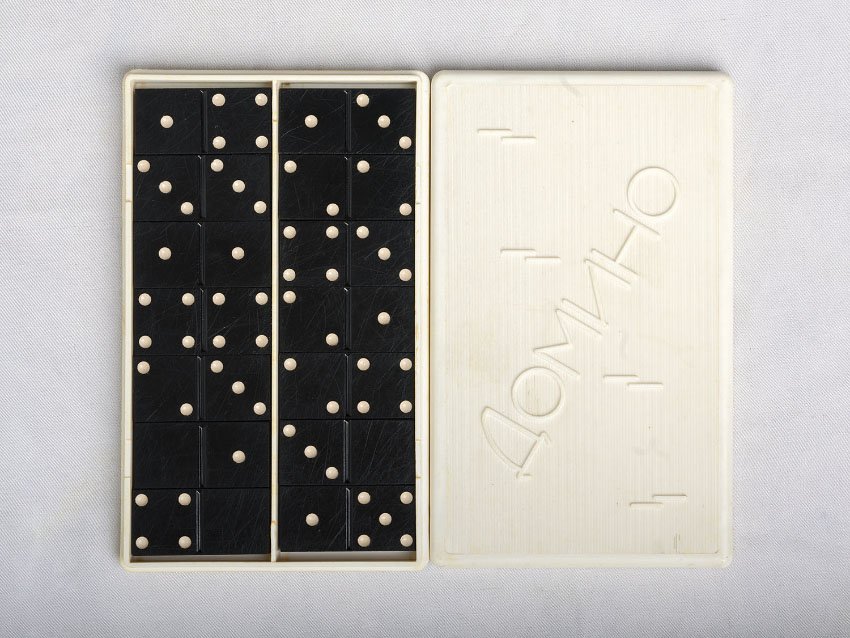
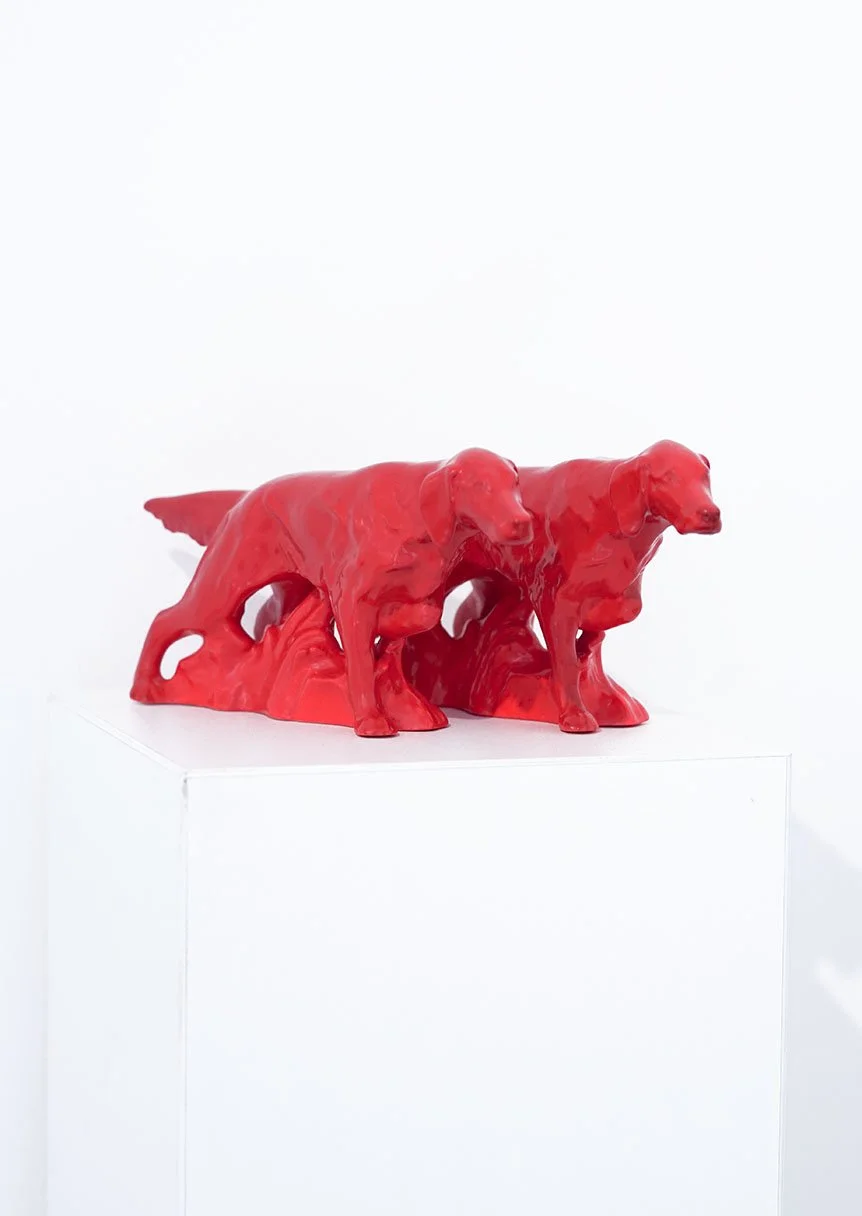
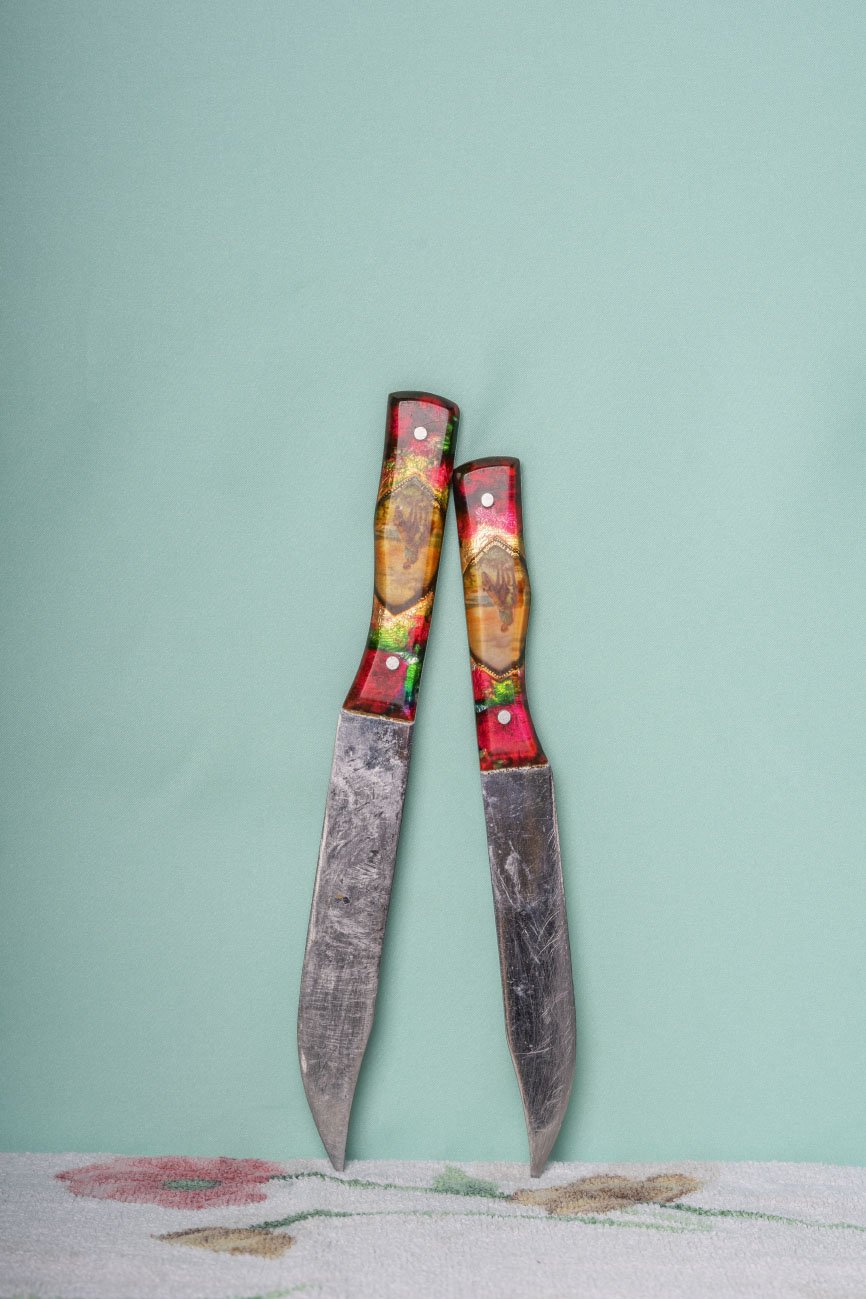
When my family left the dissolving Soviet Union in 1990, they too had to decide what should accompany them into their future. They chose seemingly ordinary objects—wooden and porcelain figurines, crystal pieces, clocks “Made in the USSR,” and a single cuckoo clock. Popular in Russia as a German export, the cuckoo clock already symbolized a bridge between the place they were leaving and the one they were moving toward.
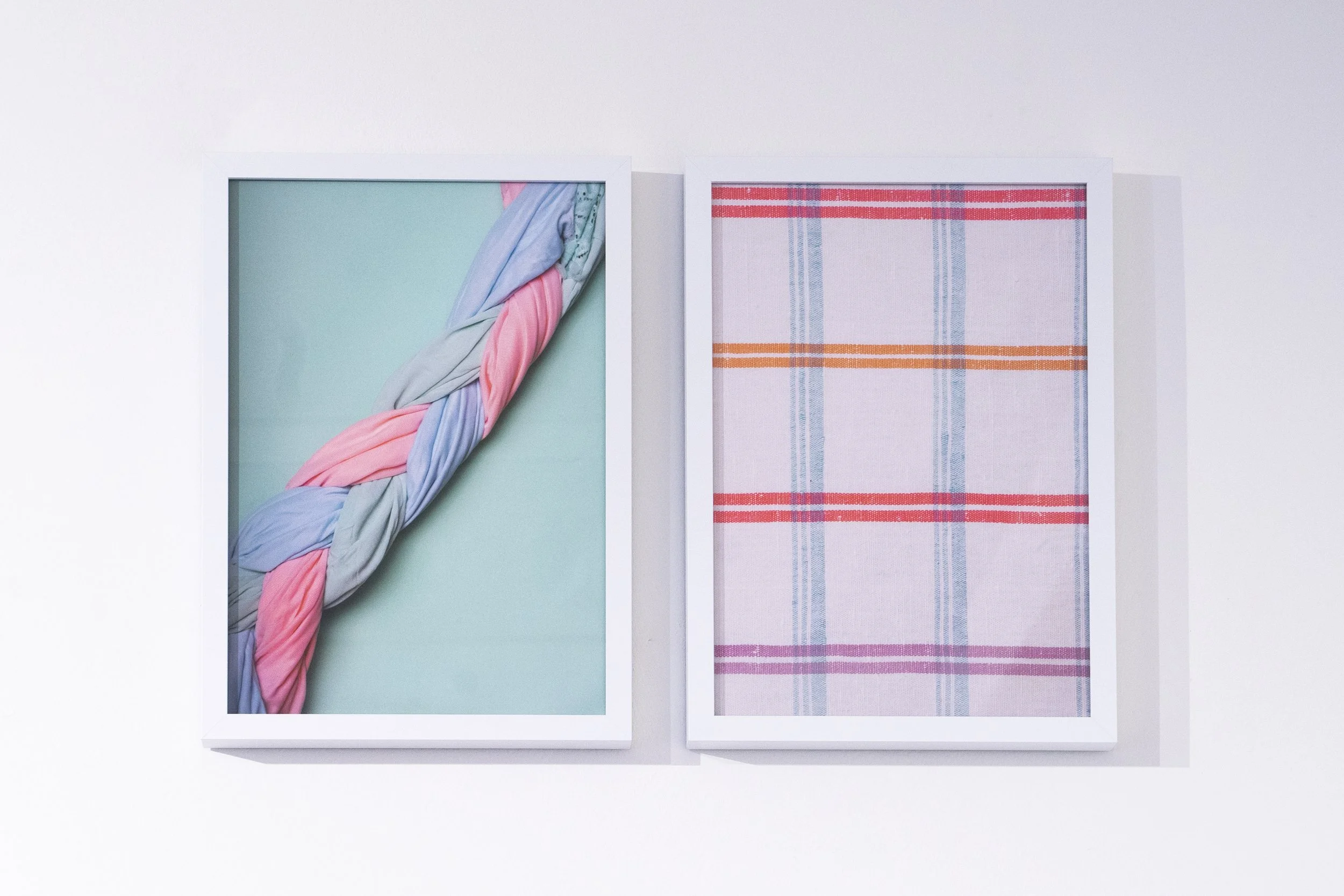
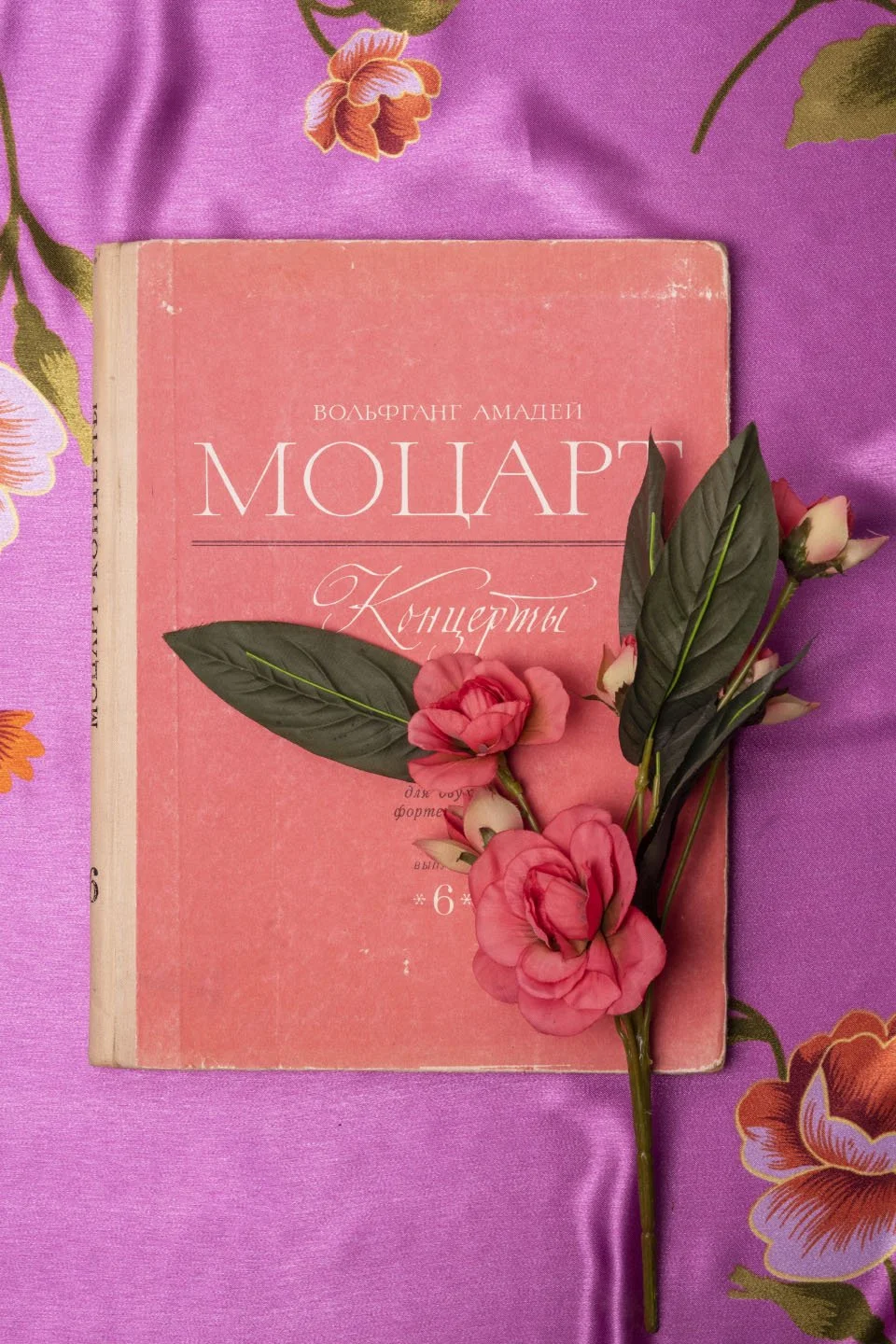
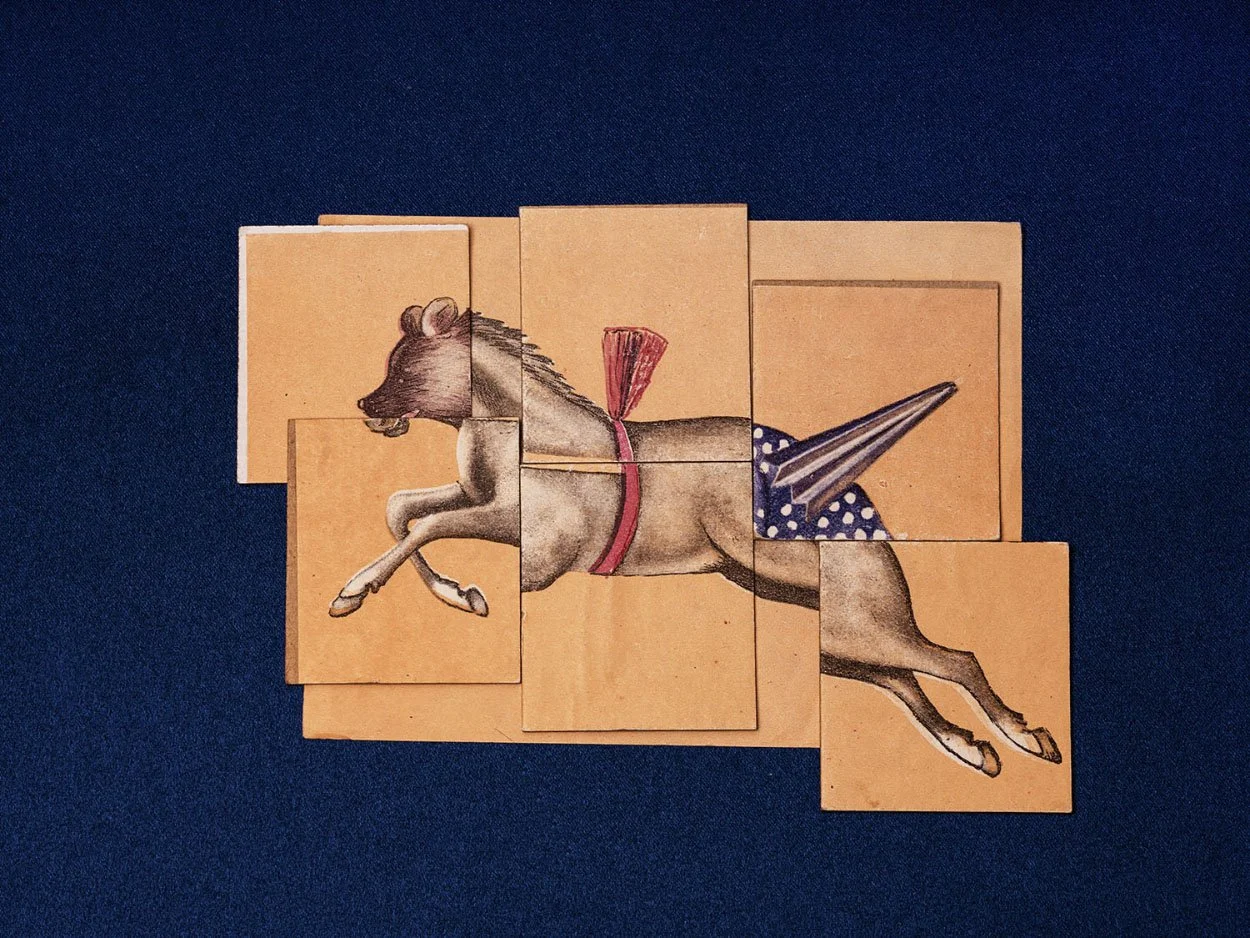
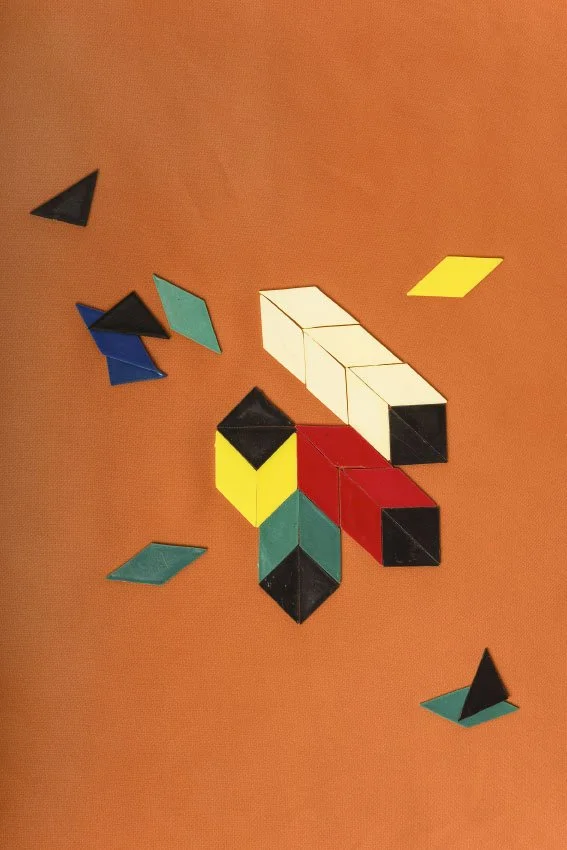
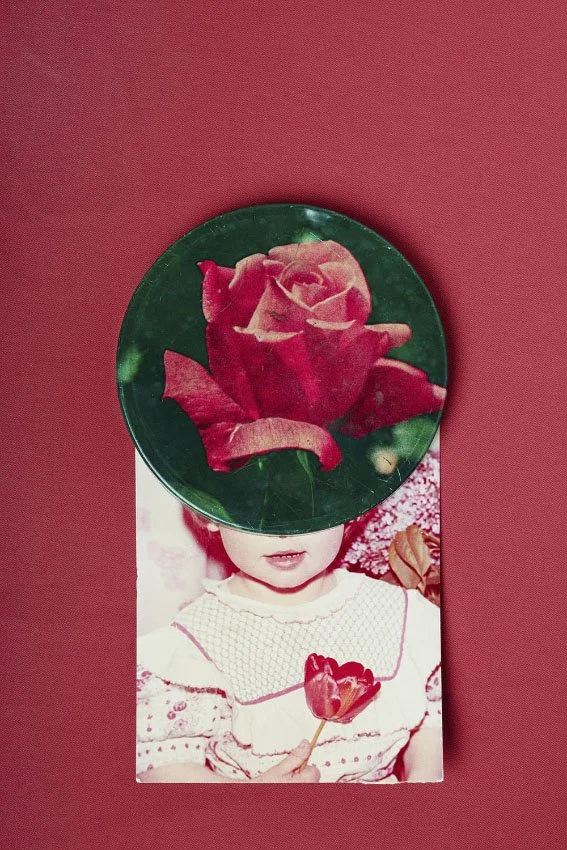
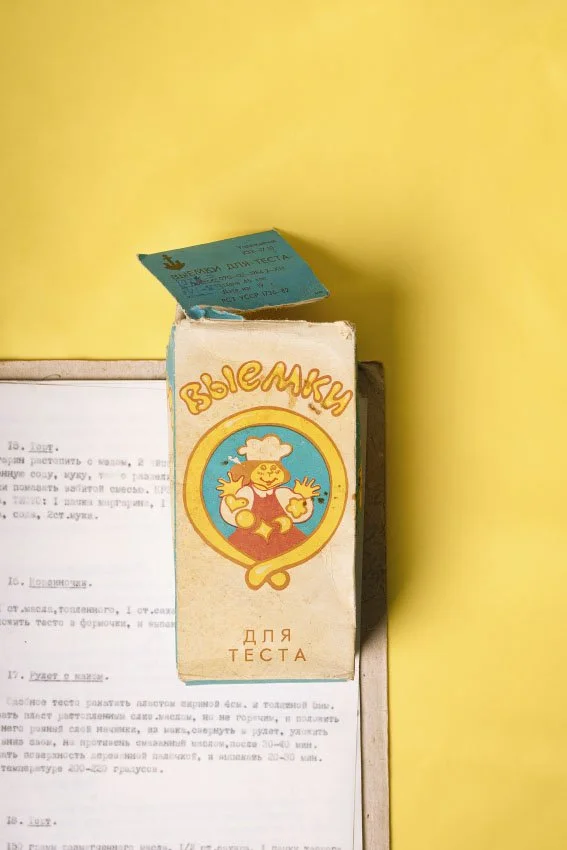
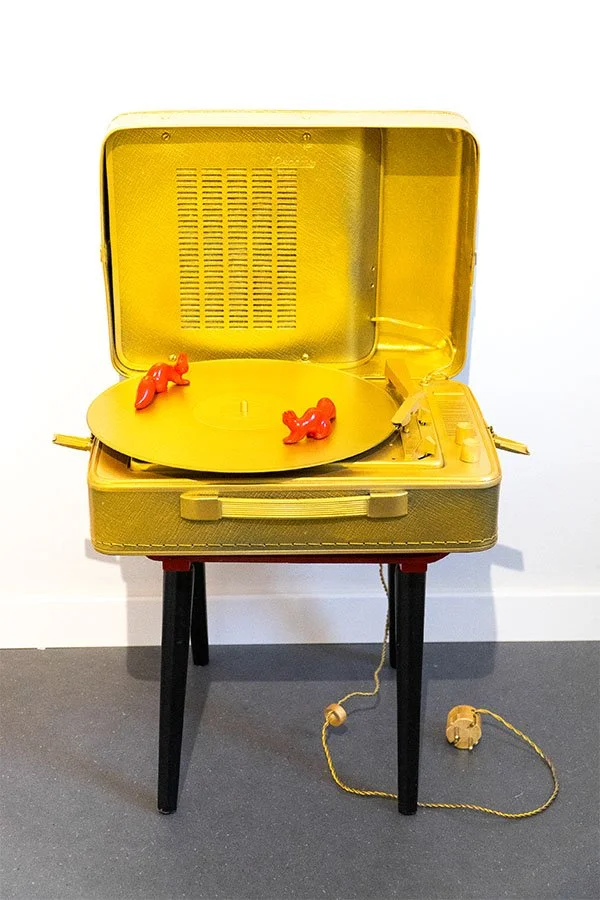
Kukushka also includes documents, recipes, jewelry, and photographs that had long been stored away in drawers and basements. I kept all objects in their original state and reassembled them to open up new layers of meaning. In this way, personal keepsakes become reflections of collective memories of the Soviet era.
The installation shows how nostalgia, hope, uncertainty, and new beginnings are intertwined—and how familiar objects can help carry one’s own story into the next chapter of life.